From document to transaction, without the typing.
A bill of lading, a POD, a scale ticket, a rate confirmation. Somebody photographs it, somebody else goes looking for it, somebody else types it into a system that already knows most of what it says. EBE captures the document where it’s created, checks it before it moves, reads it and enters it — without replacing your TMS or your imaging platform.
- 01 CaptureThe document enters from a driver’s phone, a terminal scanner or an inbox
- 02 ClassifyDocument types and page order worked out inside the batch
- 03 ExtractFields pulled per document type and per customer
- 04 VerifyOnly what falls below your confidence threshold reaches a person
- 05 ValidateChecked against the load in your TMS and your own requirements
- 06 RouteExceptions go to a named queue — everything else keeps moving
- 07 DeliverDocuments and data land in the systems you already run
The document stops being a bottleneck.
Nothing bills until the paperwork arrives, nothing gets paid until it’s legible, and nothing gets defended in a claim unless somebody captured the right thing at the right moment. Move all three of those to the point where the document is created, and the back office stops waiting.

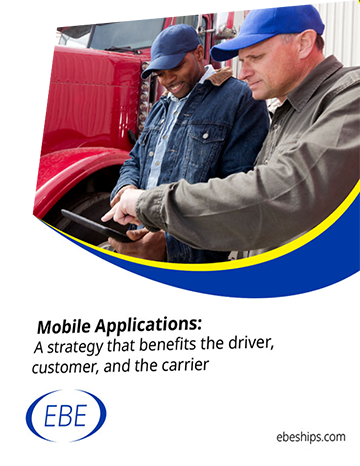
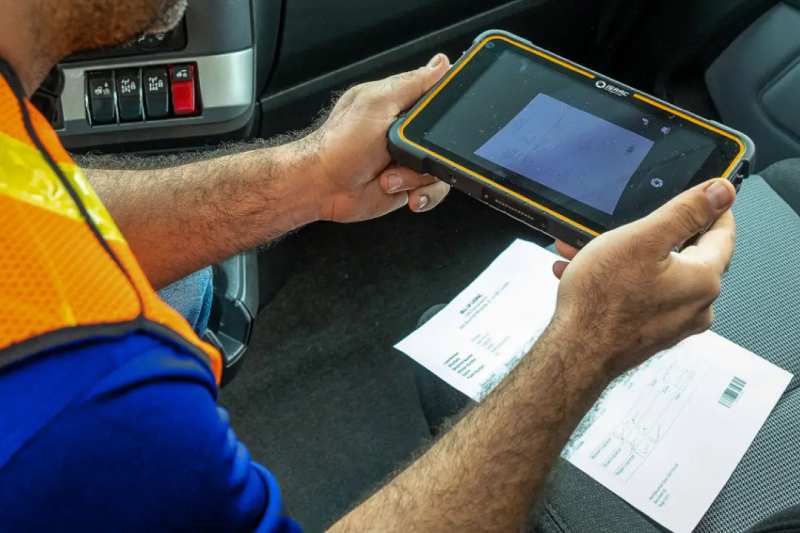
The document is photographed at the dock, on the driver’s own device, and checked before he pulls away. Nothing waits for a scanner at the next terminal.
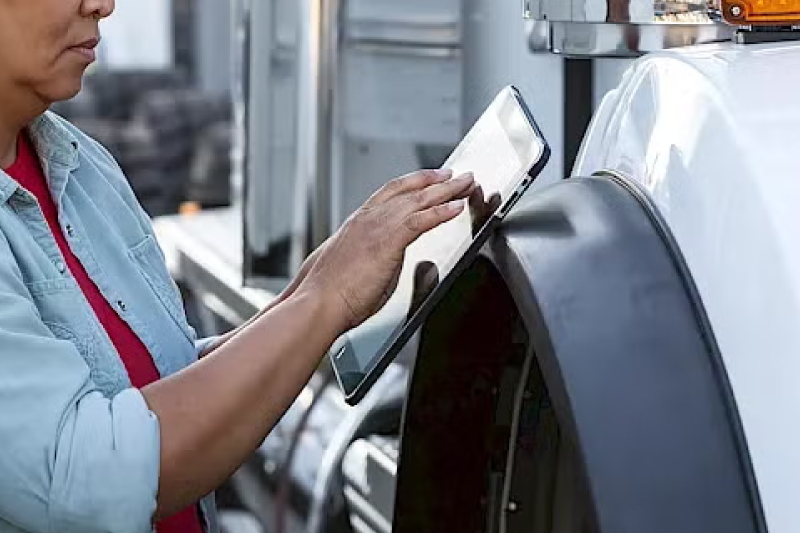
Two checks, not one. Whether the image is usable, and whether the driver captured what that shipment actually required. Both run while a fix still takes seconds.
OCR reads the fields and matches them to the load, so the data reaches your TMS and your billing system without anyone retyping what the document already says.
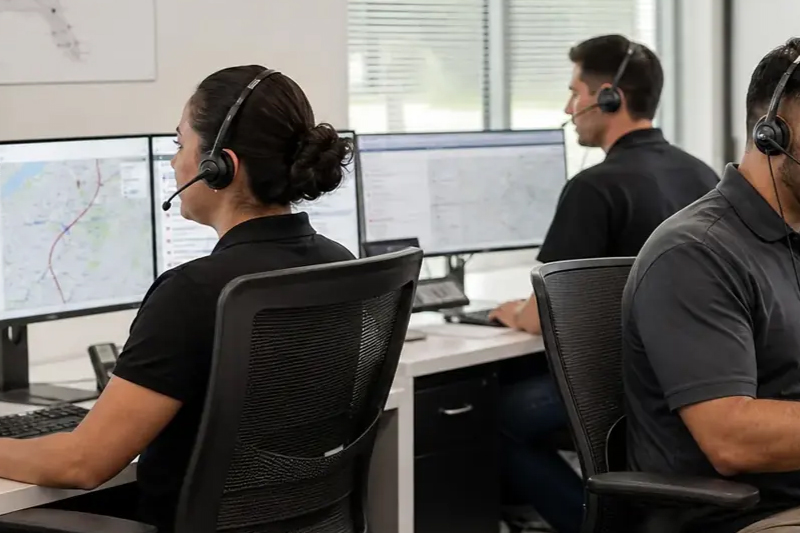
Nine in ten transactions clear against your own rules and never reach a person. Your team works the ones that didn’t, which is the part worth their time.
automated data handling
without a person
manual entry
providers run EBE
Every field the system pulls off a document carries a confidence level. Anything above the threshold you set moves through untouched. Anything below it takes a person straight to that one field — not the document, not the batch, the field. That is the whole difference between a team that processes paperwork and a team that handles the paperwork that went wrong.
Three solutions across one document’s life.
Each one works on its own, and each one makes the next more effective. A document captured cleanly is a document that reads cleanly, and a document that reads cleanly is one nobody has to type. Most carriers begin wherever the paper is stalling today.
Your customers’ portals, updated without a person.
Half the back-office day is spent logging into somebody else’s website to post a status, upload a POD or correct a rejected transaction. EBE runs those portals as part of the workflow rather than as a separate job, and the network keeps growing.
What carriers running it say.
EBE’s Adaptive Capture™ is seamlessly enabled in our mobile comm workflow and ensures our drivers capture the images our customers require. Within a minute of submitting the images, the driver receives confirmation they completed their requirements correctly.

EBE reduced our time to invoice in the KAG portal from four hours a day, seven days a week, to only forty-five minutes to correct dispatch errors, while improving accuracy.

EBE reduced keystrokes by 97 percent, creates 204 files and closes 90 percent of our loads automatically. We are now able to scale without any additional labor.

The questions we get on every first call.
Does this replace our imaging system?
No. It feeds it. Documents are captured, checked and read, then delivered into the document management and billing systems you already run. The systems stay and the keying goes.
What’s the difference between checking the image and checking the work?
Image quality is whether the photograph is usable — edges in frame, no glare on the signature. Evidence validation is whether the right thing was photographed at all, against what that shipment required. Carriers often want both, at different points in the same trip.
How accurate is the OCR?
Accurate enough that carriers report up to 97% fewer keystrokes, and structured so that anything below your confidence threshold becomes an exception rather than a silent error. You set the threshold.
What about documents that arrive by email?
Emails, spreadsheets and web forms are converted into EDI transactions or direct API billing without being typed. Hogan takes spreadsheet tenders from more than forty customers that way. It’s the same problem arriving through a different door.
Something we didn't cover? Ask it before you commit to a meeting.
Ask us directly →Different departments,
the same Digital Workforce.
Send us your ugliest document.
A creased bill of lading, a faxed rate confirmation, a scale ticket somebody photographed badly. We’ll show you what comes back and how much of it needed a person.